Support
A long-term partner, not a one-time fix
Ahead of the problem. Not behind it
A written IPM program is only as good as its implementation over time. A single audit or planning engagement can identify what needs to change, but without ongoing oversight, programs drift. Accountability gaps reopen. Vendor performance slips. Conditions that were corrected get normalized again. Support work keeps the program on track between visits, catches problems before they escalate, and gives facilities the tools and guidance to stay ahead of issues rather than react to them.
What Support Covers:
- Remote review of ongoing service reports and provider portal data to identify issues early.
- Virtual check-ins with facility teams and their providers.
Provider coordination and oversight, helping the current vendor perform better, or evaluating alternatives.
- Technical guidance on recurring or difficult pest issues that routine service visits aren’t resolving.
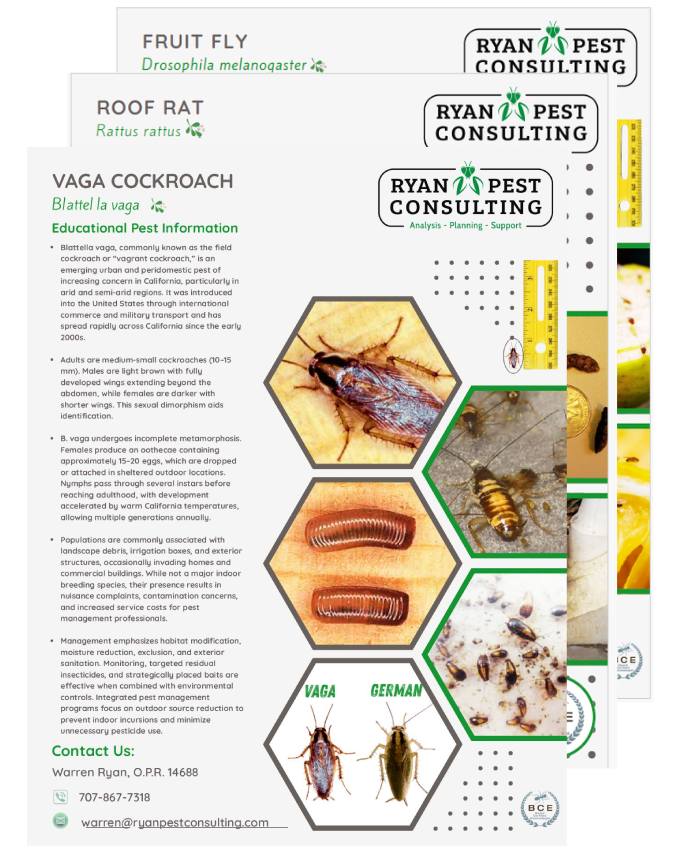
- Staff training modules on sanitation, exclusion, and pest reporting.
- Video training content for facility and custodial teams.
- Downloadable tip sheets and reference guides for ongoing program management.
Recommended products, a curated selection of exclusion and monitoring tools used and trusted in the field.
Independent oversight of an ongoing program has no incentive to overlook declining performance or avoid difficult conversations with a vendor. When service data is reviewed by someone with no stake in the provider relationship, problems are identified and addressed rather than carried over into the next service cycle.
Ongoing Program Review
Most pest programs generate more data than anyone independently reviews, service reports get filed, portal activity goes unchecked, and trends that should trigger action go unaddressed until a problem becomes visible or an auditor finds it first.
Ongoing remote review keeps that data working: service notes, device activity, trend summaries, and portal exports are reviewed regularly to catch patterns early, flag accountability gaps, and identify conditions that need attention before they escalate. When something isn’t adding up between what the reports show and what the facility is experiencing, that gap gets surfaced, not normalized.
What ongoing support includes:
Service Reports
A summary of what current service data shows across each service cycle, tracking whether the program is improving over time, holding steady, or quietly declining between evaluations.
Accountability Check-In
Written documentation from regular virtual check-ins with facility and provider teams about corrective actions, next steps, and progress against the original findings tracked over time.
Corrective Action Log
A record of conditions identified, actions taken, and outcomes observed across service cycles, documenting program changes and improvements that support long-term accountability.
Trend Analysis
A review of pest activity patterns across service cycles, seasonal shifts, recurring pressure points, and whether interventions from the Planning phase are producing measurable results.
Technical Guidance
Written recommendations on specific recurring pest issues that go beyond what a standard service response addresses, with actionable next steps for both the facility and provider.
Portfolio Risk Scorecard
For multi-site clients, a summary scoring each location by pest pressure, program performance, and accountability gaps, giving leadership a clear view of which facilities need attention.
Training and Resources
Pest management doesn’t start and end with the vendor. Facility and custodial teams play a direct role in whether a program succeeds through sanitation practices, early reporting, and understanding what to look for between service visits. When those teams aren’t equipped, even a well-designed program underperforms.
Training and resource content give facility staff the practical knowledge to support the program from the inside, not just rely on it from the outside.
Free 5-Day Email Course — Get Better Results From Your Pest Control Program
- Day 1: Why traditional programs are designed to fail
- Day 2: The IPM approach — moving from service routes to prevention
- Day 3: A 5-minute audit to spot gaps in current reports
- Day 4: How to hold a current provider accountable for results
- Day 5: How to prove a facility is actually protected
Sign Up
Built for facility managers in warehouses, food plants, and industrial environments who are tired of paying for results they aren’t seeing.
Your technician reports no activity. You’re still seeing droppings and fielding complaints. This course explains why and what to do about it.
Not just a better program. A program that keeps getting better
Programs don’t maintain themselves. Ongoing support keeps the work done in Analysis and Planning from eroding over time through independent oversight, regular data review, provider accountability, and the practical tools and training that keep facility teams engaged in the program. The goal is not just a better program at the start. It’s a program that keeps improving.