
Case Study Results
From Operational Gaps to Strategic Solutions
University housing
with constant complaints
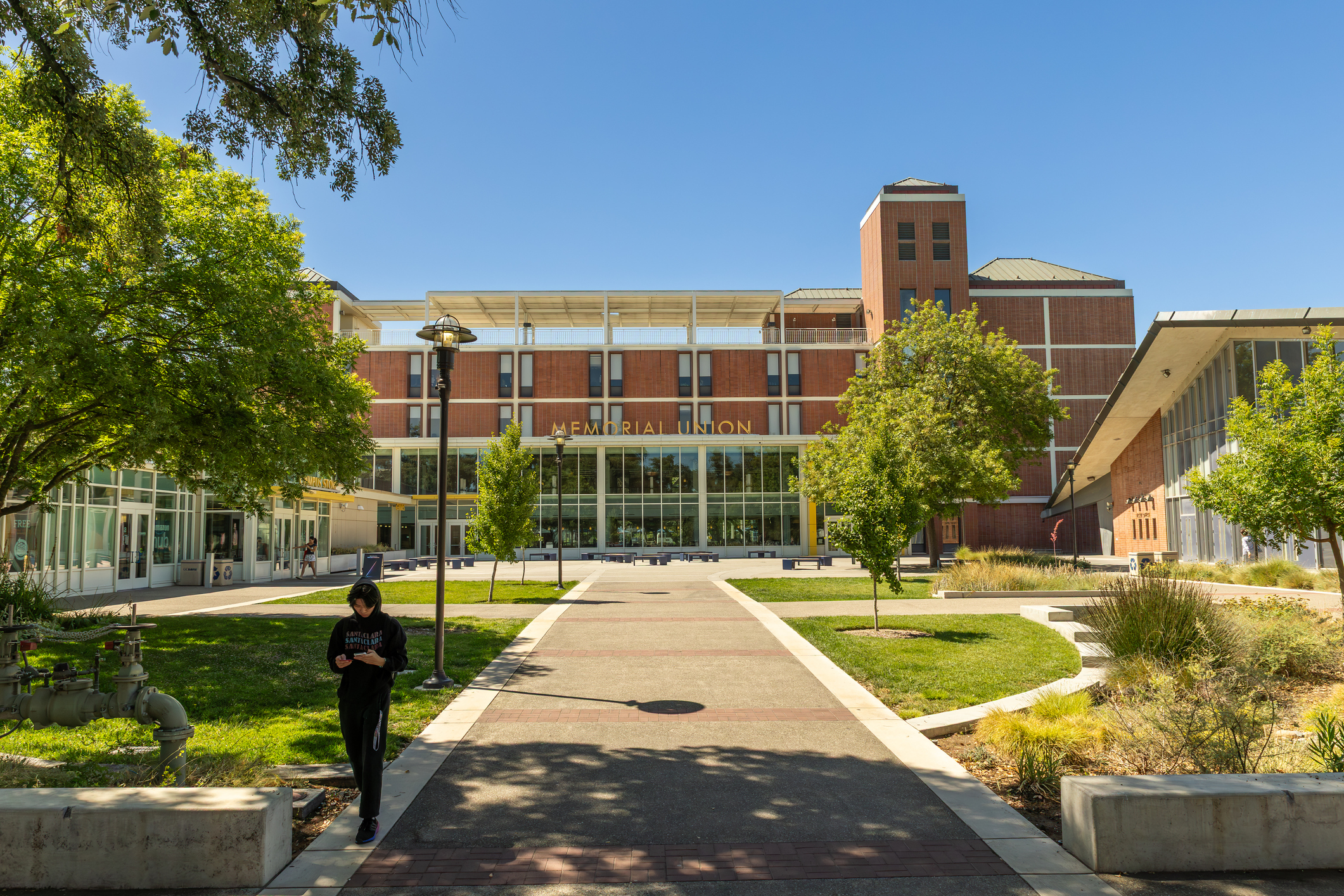
A university’s housing division faced ongoing student complaints regarding pest issues, despite regular pest control services consistently reporting that everything was “all clear.”
An evaluation showed that this was more than just a pest-related issue. Key staff from the housing and maintenance teams, as well as the pest control service, assumed someone else was managing the necessary repairs. Areas prone to problems, such as trash collection points and mechanical rooms, were neglected, and there was no comprehensive analysis of pest trends across buildings.
A comprehensive assessment was conducted across the portfolio to evaluate risk levels for each building. Easy-to-follow Integrated Pest Management (IPM) playbooks were developed, and targeted training sessions were organized for both housing and custodial staff to enhance understanding of their specific roles and responsibilities.
Clarified departmental roles led to prioritized pest exclusion and sanitation initiatives. This significantly enhanced communication between the teams and the pest control provider. As a result, the number of complaints decreased, response actions became more proactive, and leadership gained a clearer understanding of which buildings required intervention.
Ongoing Complaints
Neglected Areas Seen
Targeted Training
Proactive Leadership
Museum
with a “never‑ending” rodent problem

A museum had been struggling with a rodent infestation for over a year. Despite the pest control company conducting multiple rounds of exclusion measures and inspections, rats continued to infiltrate the premises, leaving everyone frustrated and without options.
During a site assessment, it was discovered that a generator yard was located about 50 feet from the museum’s main building. Further investigation revealed a six-inch conduit running underground between the generator yard and the museum. This conduit was used by rats as a pathway, allowing them to bypass all exterior exclusion measures and emerge into the electrical room, where they could easily access their nesting areas.
Select locations were chosen for setting traps, and the conduit was sealed off to prevent future access to the museum. By eliminating this entry point rather than adding more traps, the ongoing rodent problem was finally resolved.
Rodent activity ceased, and the museum has since experienced no further issues in that area. What initially appeared to be a persistent infestation was ultimately traced back to an overlooked structural access point linked to the generator yard.
Ongoing Infiltration
Pathway Identified
Exclusionary Traps
Activity Ceased
Old Navy Yard
turned mixed‑use, rats “out of nowhere”

A former Navy Yard was repurposed into a mixed-use space for offices and warehouses. One sizable building faced persistent rat problems. The previous management attempted to address the issue by placing rodent bait stations outside, using snap traps inside, and performing minimal exclusion work, but to no avail. They believed the problem stemmed from the client frequently leaving the bay doors open.
A comprehensive inspection was conducted, covering the roof, exterior, utilities, and sewer systems. Surveillance cameras were set up to determine if rats were using the bay doors; they were not. The culprits were identified as roof rats. Additional cameras were installed in interior ceilings and utility rooms to monitor the rats’ movements. Non-toxic luminescent bait was used in IQ sensing devices to track the rats’ travel routes via their glowing droppings. This data helped us assess their population and activity levels. Previous attempts to use food bait in snap traps failed because the rats learned to avoid them after being conditioned by prior baiting. However, the rats readily consumed the non-toxic bait from the stations. Once a new comfort level within the population was established, toxic bait was introduced to reduce their numbers.
After a month or two with no significant activity, sporadic rat sightings began in the sealed building. Investigating a nearby manhole revealed multiple rats. Using a camera to inspect approximately 173 feet of piping, we discovered abandoned lines and damaged plumbing connected to the building. Installing a one-way RatGate at the lateral entrance enabled continued trapping and baiting, effectively sealing the overlooked sewer entry point.
Minimal Exclusion
Comprehensive Inspection
Discovered Entry Points
No New Activity